Abstract geometric design featuring overlapping dark green and beige mountains with a beige valley, seen from a low angle.

If Strings

Could Talk…

A man in a white western shirt and a straw hat holding a vintage Gibson electric guitar.

…They’d deny everything.

Always a safe choice, but let’s dig in a little further.

Music

FEATURED SAMPLER

A curated selection of music from Ned Selfe’s work, bringing together songs, sounds, and collaborations that reflect his distinctive musical style. Press play and explore a selection from the Selfe Service Music catalog.

Selfe Service Sampler 'A'
Ned Selfe

Ned Selfe album-1

Ned Selfe album-2

Featured

Projects

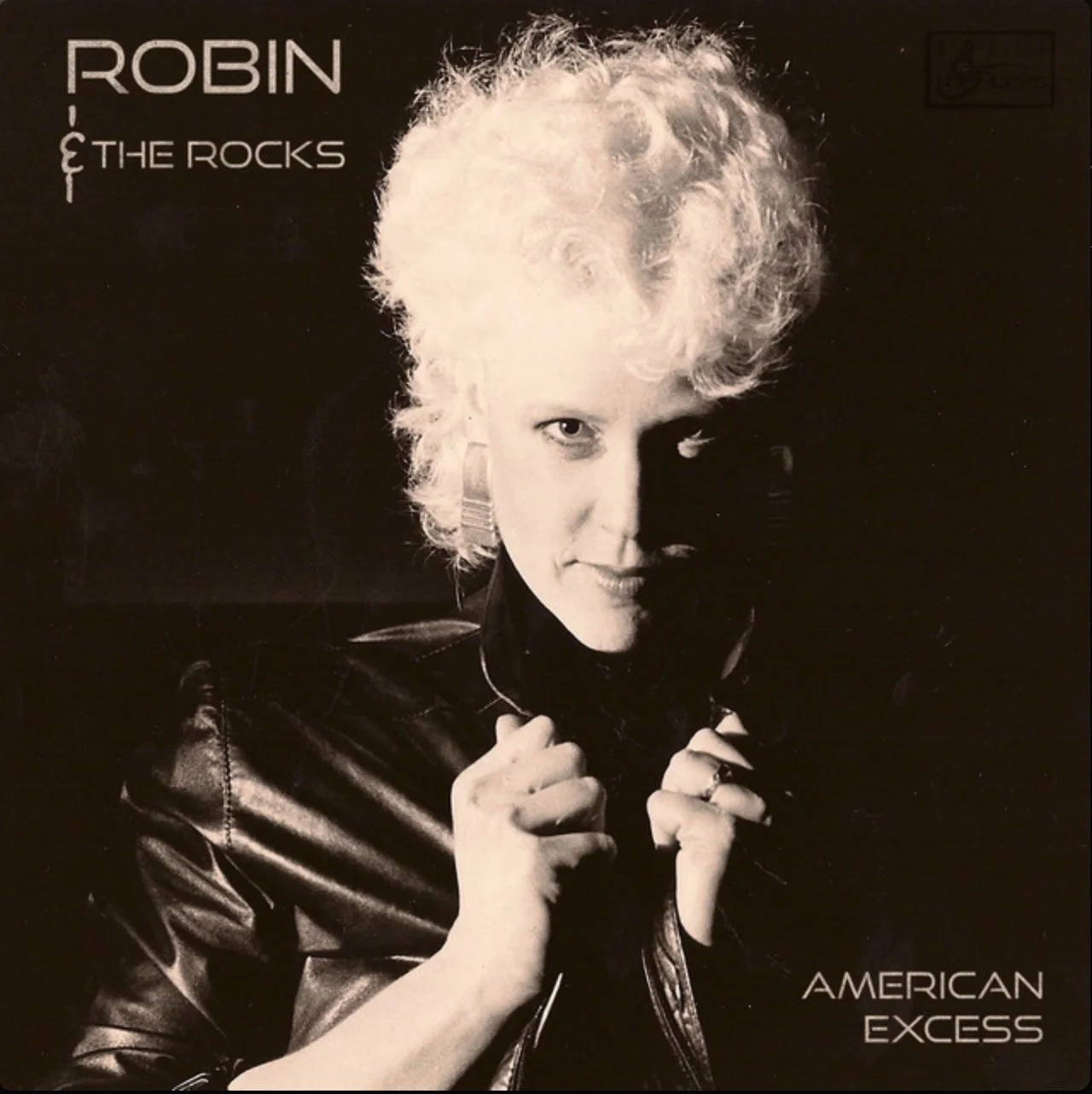
Robin & the Rocks

Some of the finest songwriting and playing of my career

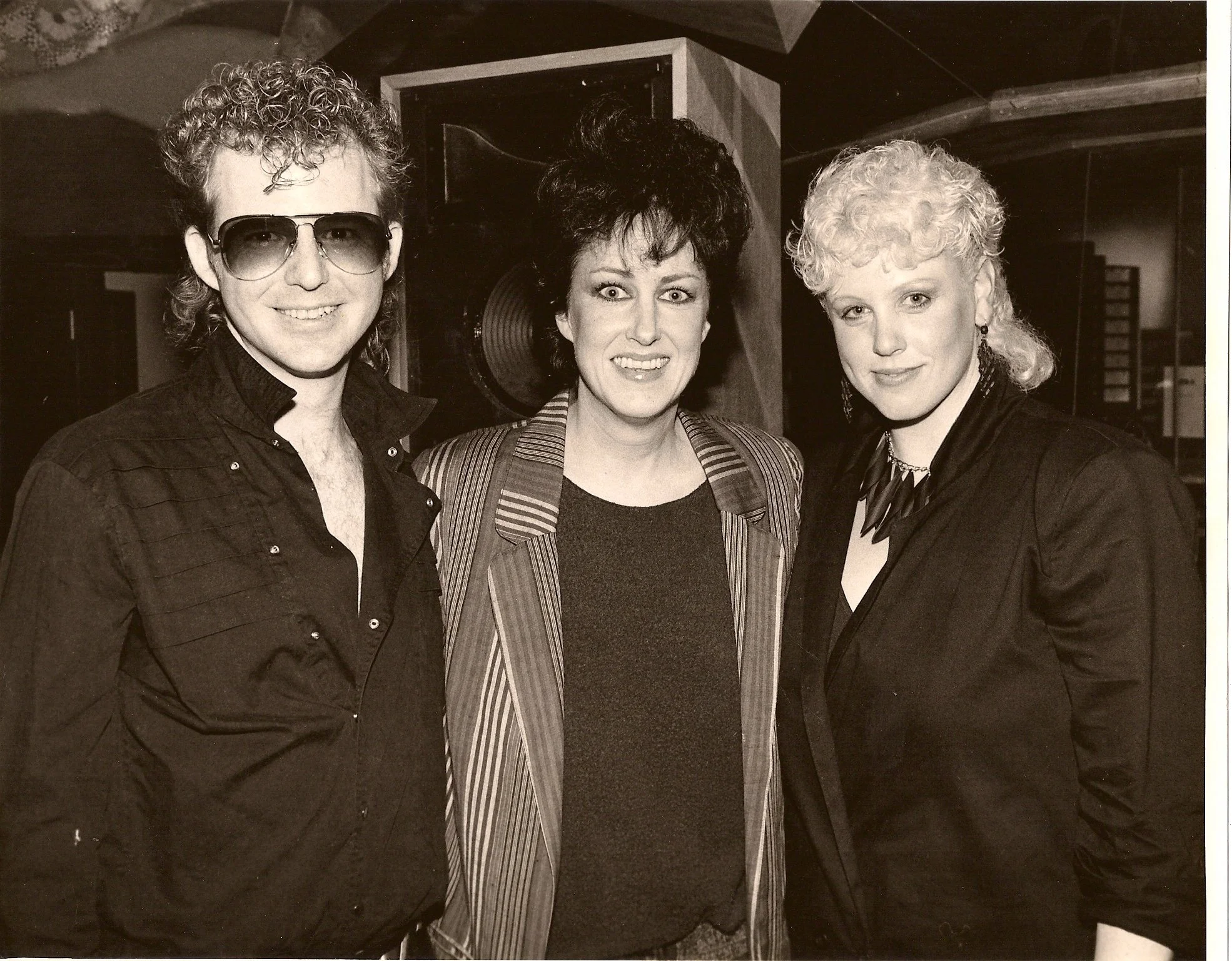
Featuring the amazing vocals of Robin Pearl, backed by a kick ass band, featuring Keith Allen on guitar, Jonathon Basil on bass, and Jeff Brewer on drums. Not to mention, Chris Hayes (Huey Lewis & the News), Bonnie Hayes producing (and performing), along with the Wild Combo.

Black and white album cover featuring a woman with curly blonde hair and a man with dark curly hair, both staring at the camera. Text at the top reads 'Greatest Hits.' A sticker at the bottom right corner says 'R.O.B.I.N. the Rocks.'

Glaciers Come, Glaciers Go

My first full length instrumental album,

Southern Rock meets Smooth Jazz at the Tiki Bar.

Book cover for 'Glaciers Come' by Ned Selfe featuring a mountain landscape and arrows.

Errands in Paradise

The second instrumental album,

featuring Keith Allen as co-writer and player.

ed Selfe musician and songwriter

Explore a selection of Ned Selfe’s featured musical projects, collaborations, and recordings. From rock and songwriting to instrumental work and creative collaborations, each project reflects a different chapter of the Selfe Service Music story.

Guide to
Slide

Take a guitar string and use something to slide up and down…magic! And then, things start to get complicated. Let’s explore a bit….

slide guitar guide by Ned Selfe.

Slide guitar

A generic term covering any object (pocket knife, comb, bar, beer bottle, hambone, mic stand, lipstick cover, Coricidrin bottle, etc.) sliding along or fretting strings.

Steel guitar

steel guitar explained by Ned Selfe

A generic term for a guitar with raised strings played “on its back”; usually a solid wood or metal body with an electric pickup.

Pedal Steel guitar

pedal steel guitar explained by Ned Selfe

A steel guitar with pedals and knee levers to change tuning with feet and knee

Ped-A-Bro

pedal steel guitar explained by Ned Selfe

A cross between pedal steel and Dobro; an acoustic pedal steel.

E-Bow

Dobro slide guitar

A battery-powered electromagnetic device that drives or “bows” a guitar string, giving infinite sustain and effects; an electrified violin bow.

Dobro

Dobro slide guitar

Created to increase guitar volume using a steel resonator cone; the name now refers to an acoustic slide sound used in Hawaiian, country, blues, bluegrass and rock.

Bottleneck guitar

ap steel guitar

A standard guitar played with a round tube on the fretting hand; used in blues and rock and played in open or standard tuning.

Hawaiian guitar

pedal steel guitar explained by Ned Selfe

Essentially a lap steel or Dobro; the term refers more to the style and origin.

Lap Steel

Black electric guitar on a wooden stand in a music studio, with other guitars and music equipment in the background.

A solid-body electric guitar with six or eight strings, smaller than a standard guitar, played on its back in the lap or on a stand.

History


history of slide and steel guitar

How the slide/steel story developed

Joseph Kekuku is generally acknowledged as the originator of the steel/slide guitar technique. He discovered the technique using a pen or comb to slide up and down strings in Hawaii in the mid-1880s.

Hawaiians used open tuning; a straight bar allowed chords by moving fret to fret. Kekuku later traveled the mainland and Europe demonstrating the style.

The instrument evolved through steel bars, new tunings, raised strings, lap/back playing, slanting the bar, more strings, stands and multiple necks/tunings.

Electric pickups were added; steel guitar became the first commercially available electric guitar in the early 1930s. Pedals and knee levers were added in the early 1950s, allowing tuning changes while playing and reducing the need for bar slants.

The guide explains that steel guitar has a relatively short and exotic history and remains less familiar than traditional instruments; terminology can be confusing, so clarification helps listeners.

Reviews